
Agrarian Rights & Interest
- HOME
- Communal Hate and Violence
Burning Issues:
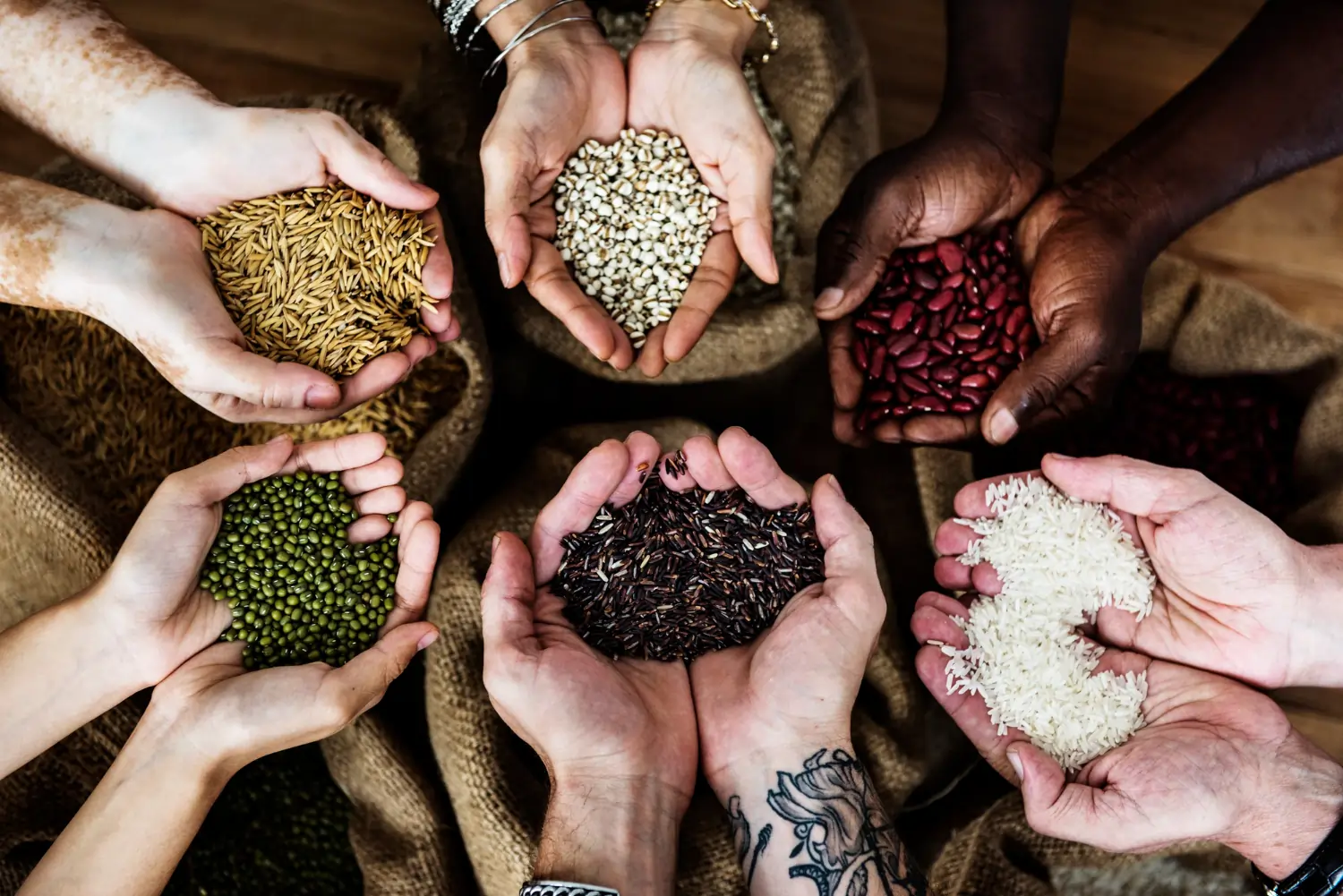
a) Excessive use of chemicals degrading agricultural lands : The excessive use of chemicals in agriculture, including fertilizers and pesticides, is causing significant degradation of agricultural lands. These chemicals disrupt the natural soil composition, reducing its fertility and leading to the loss of essential microorganisms that support plant growth. Over time, this results in diminished crop yields, increased soil erosion, and contamination of water sources. The persistent use of these harmful substances not only threatens food security but also poses severe environmental and health risks. Sustainable farming practices and the adoption of organic alternatives are essential to restore and preserve the health of our agricultural lands.
Sign Petition Issues
SUPPORT THIS PETITION
Connected Petition/Issues

Ideological differences between ruling party and leader of oppositions are making bad impact in the society, and if LoP or ruling party is not nationalist, then they will derail the law and order in country.

Increasing ratio of illiteracy and population are dangerous for society, and government must implicate strong rules to protect to society.

Safety of women child is main issue for society, is it demand of citizen to hang accused in public domain?

Geopolitical aggression, intransigence and practice of relabeling conflicts as counter-terror struggles.

Whether Cast, Reservation and communal violence are barrier for peace building in society?

The resistance of local communities to new approaches to peacebuilding, especially those that question traditional methods and demonstrate success through new perspectives and methodologies

The Election commission of India must be declared unfit to the contestant who has no master degree, as well as he booked in heinous crime, and not fit for election until he must not discharge by the court.

Commission of committing offence of cheating and criminal breach of trust should be charge against political party or not, upon non-compliance of their manifesto.

During election offer of freebees should be ban by election commission of India?

Whether politician hold grips of press and its news material?

Is it true a film maker and production houses spreading nudity in the Indian society in name of freedom of speech, and same should be ban before its telecast?

Whether bold and catastrophic films are required to ban before its telecast or not?

Whether Social Media Platforms are tools for enemy of country to collect valuable data and information?

Whether cyber-attacks, disinformation operations, malign foreign influence campaigns to damage our economy and harm our democracy?

Is terrorism from Pakistan-based militant groups has been emerging as a major concern for India?

Distress sale of crops due to poor market infrastructure

Price volatility shocks faced by farmers with reduction of trade barriers on agricultural commodities

Excessive use of chemicals degrading agricultural lands

Whether NJAC (National Judicial Appointment Commission) is against the Independence of Judiciary?
